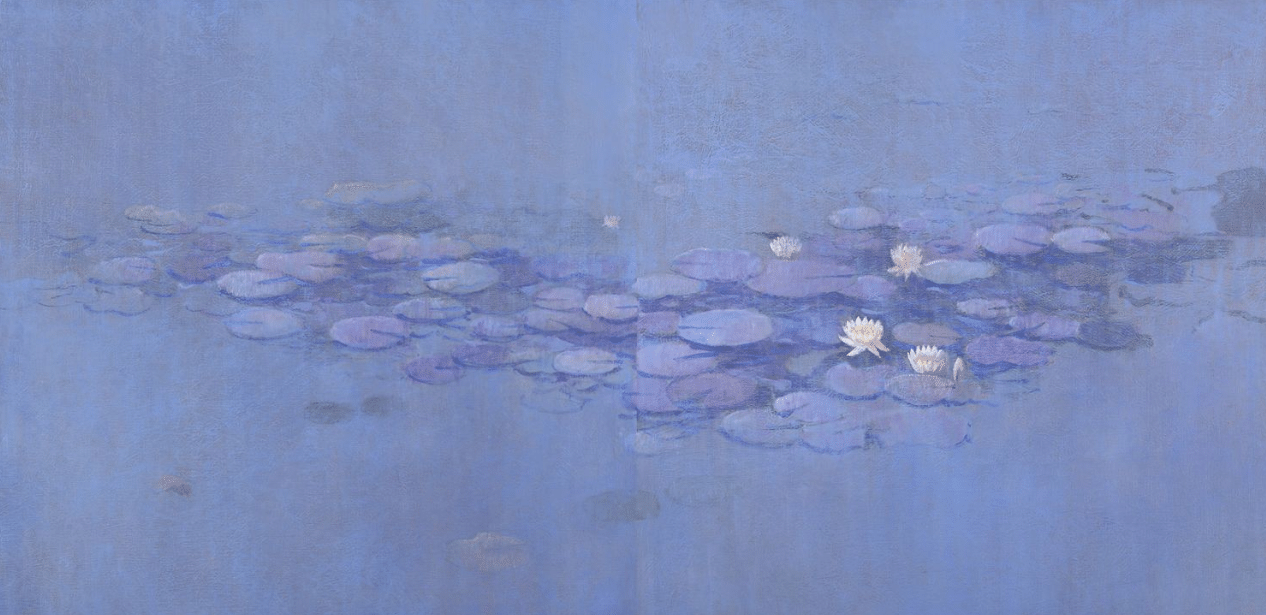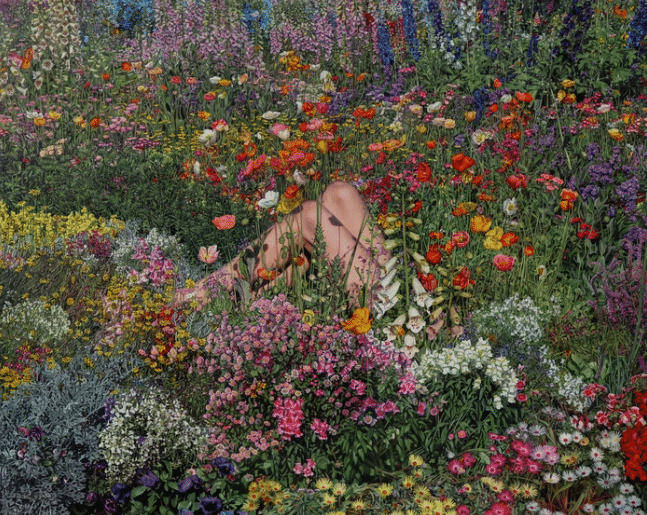

Adriane Strampp’s new exhibition Transient Journals continues her investigation of memory, connection and deterioration.
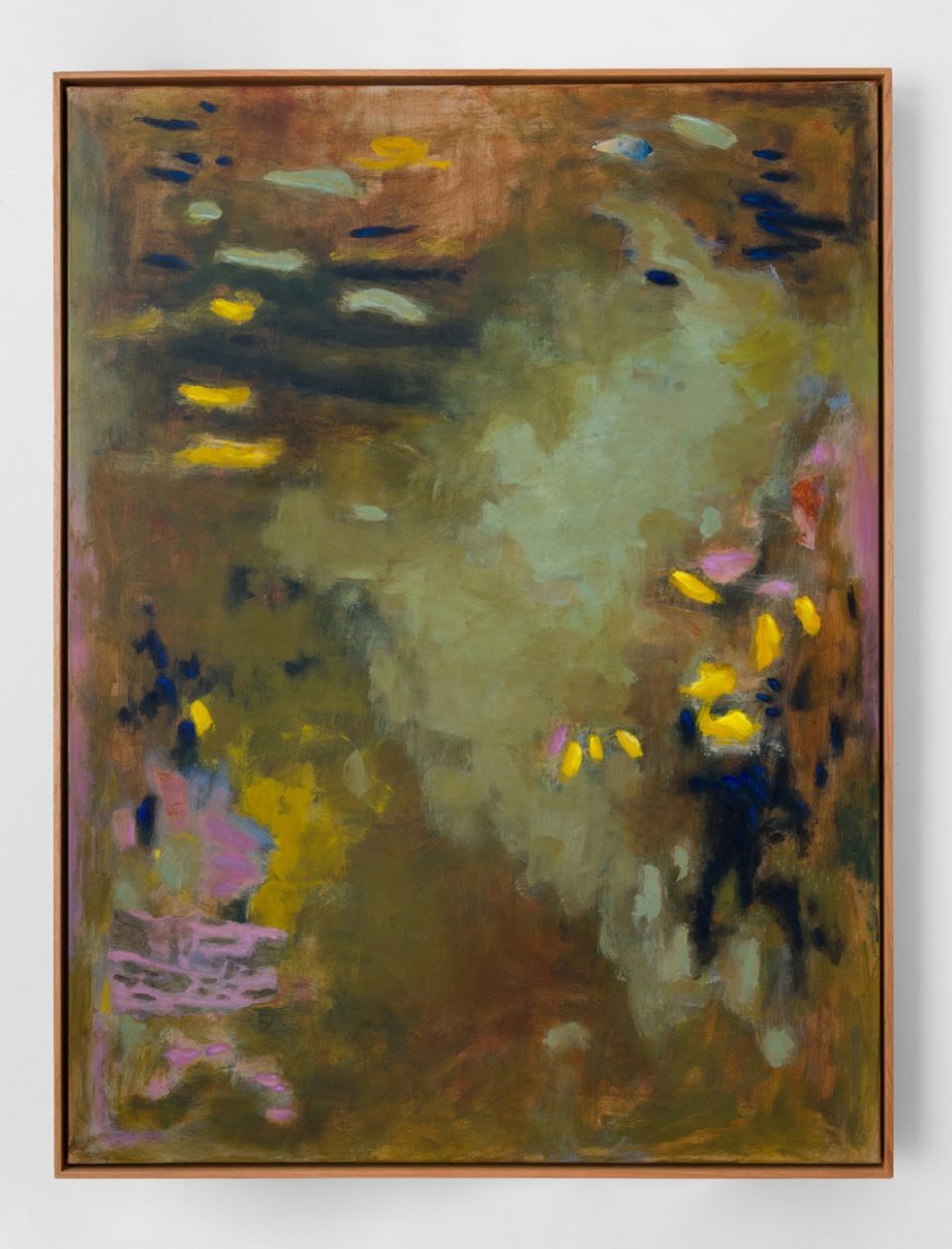
The landscape has been a recurring subject in Strampp’s paintings, not in the traditional art historical sense, but instead as a continuing exploration of landscapes remembered, random moments and quiet views of the ordinary observed. In these new works we see a more intimate view of the artist’s world, of places once familiar reworked through multiple layers, passages edited or dissolved, wiping away portions of the image as if leaving only that portion recalled. Although the human form remains in absentia, as in much of her earlier work, here we see traces of a human presence having been. Simon Schama (1995, pp.6/7) in Landscape and Memory states that.
Before it can ever be the repose for the senses, landscape is the work of the mind. Its scenery is built up as much from strata of memory as from layers of rock.
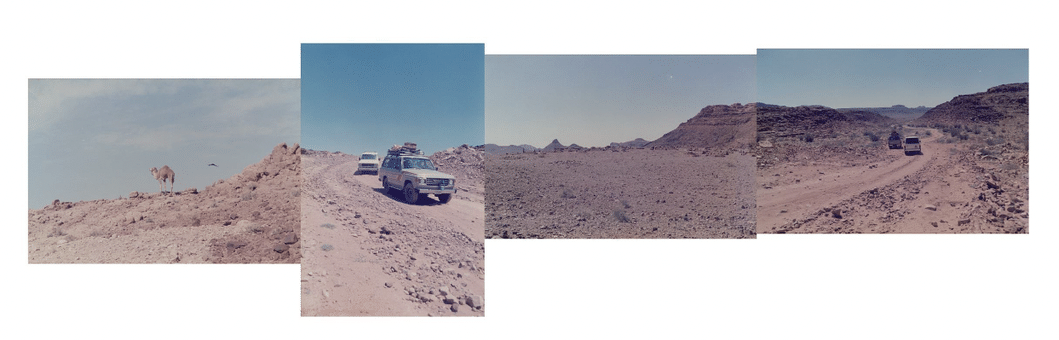
Documenting transient moments and that which is impermanent is for Strampp a key to continuity, a personal archive of the small moments that secures the past. Working with old Polaroids and photographs as a starting point, Strampp edits and layers multiple images, drawing connections to piece together a personal history of a past remembered. Much like the perishable nature of photographs, memories can shift or fade, and over time information is lost and gaps are left. Margaret Drabble (1979, p.270) in A Writer’s Britain: Landscape in Literature refers to Virginia Woolf’s sense of a changing landscape:
The past lives on in art and memory, but it is not static: it shifts and changes as the present throws its shadow backwards. The landscape also changes, but far more slowly; it is a living link between what we were and what we have become.
In some works we see ‘interference’ marks, crossing the image, a jarring streak or blur dislocated from the image. These marks reference views seen through glass, reflections of ourselves or that behind us merged into the view we look towards. They act as both a reminder of our past being a part of our present, and positions the viewer as an outsider, not a fixed part of the landscape.
Image: Entrance (2018), Oil on linen, 91 x 91 cm