In the art world, there’s a new emphasis on care, with a focus on gentle attentiveness and good works, and a fear of triggering hurt. In curatorial practice—and in culture more broadly—‘care’ has become a buzzword, and is being used to reset policy and practice. However, too often, the complexity and troublesomeness of care are smoothed over by liberal good intentions.
‘Care’ is a murky notion. It is entangled with ugly feelings of obligation and burden, exhaustion and sacrifice. It is sometimes a mask for coercion and control. It is co-opted by commerce as a marketing tool, rebranded and repackaged as ‘wellness’ and ‘self care’. The ‘uncaring’ positions—libertarians and litterers, meat eaters and gas guzzlers—are regularly overlooked too. How might these contingents inform the practice of care?
An international group show, Duty of Care will explore familial, institutional, and professional care; care and gender; care and race; care and medicine; artists as healers; and extreme care. It is a partnership between the Institute of Modern Art and Griffith University Art Museum, encompassing two concurrent exhibitions, from 29 June–22 September and 15 August–9 November respectively.
ARTISTS
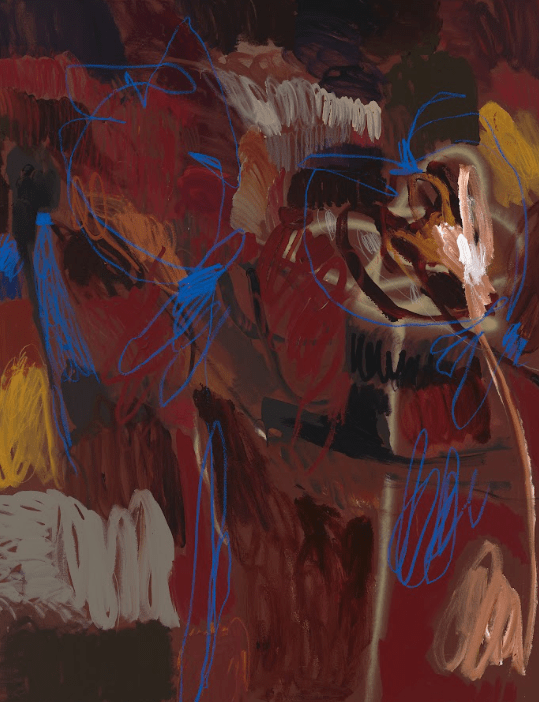
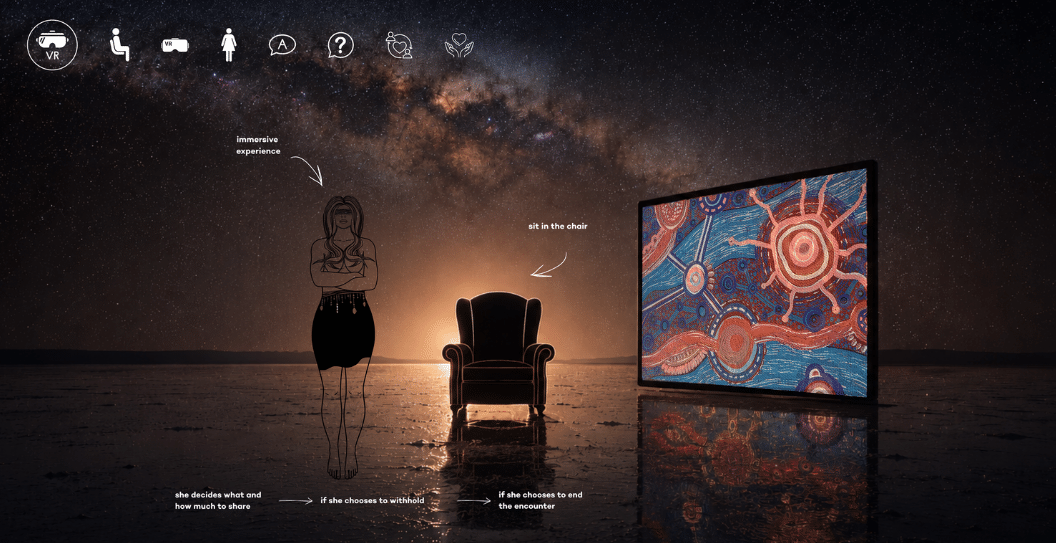
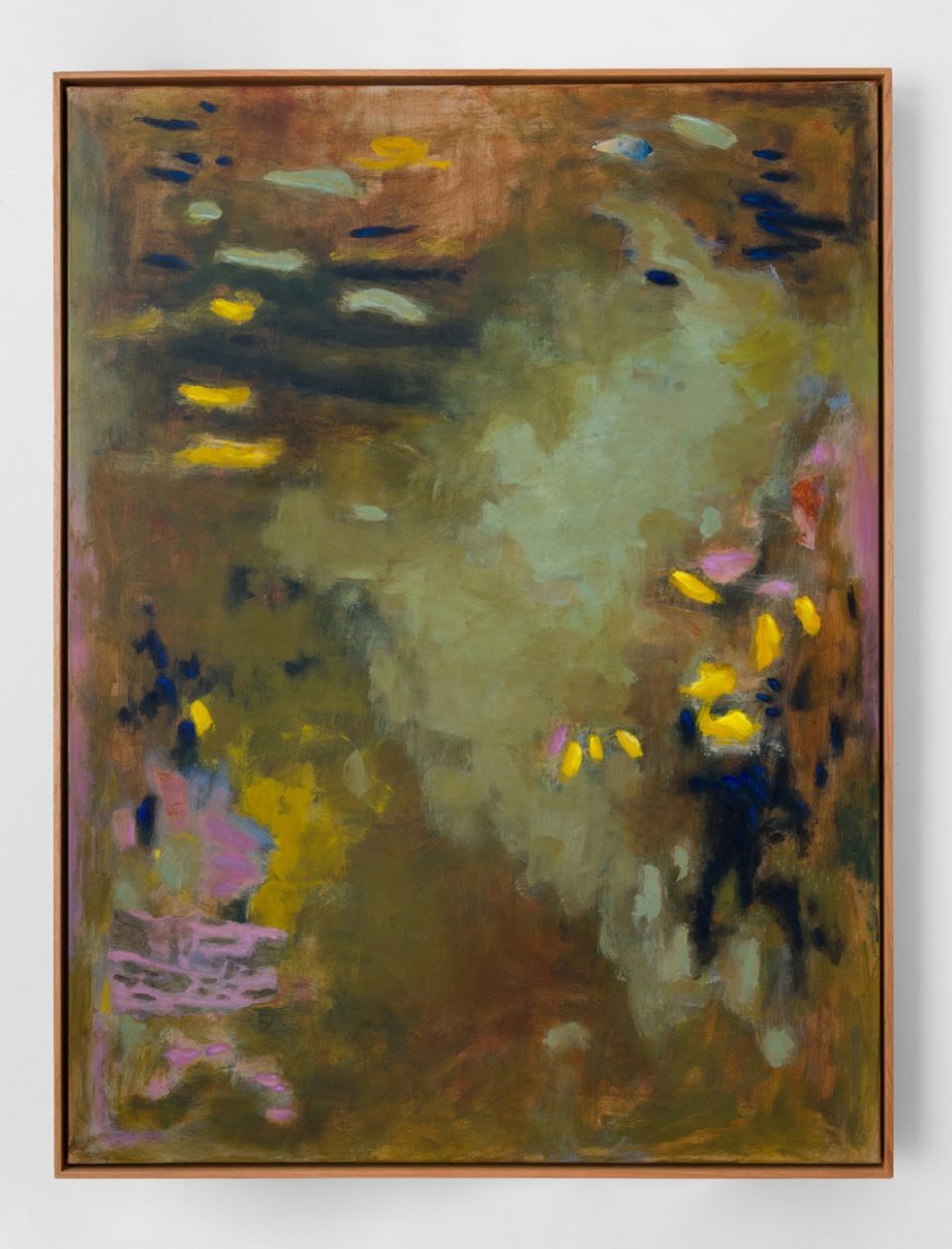
Kathy Barry, Benetton/Oliviero Toscani, Joshua Citarella, Martin Creed, Julian Dashper, Florian Habicht, HOSSEI, Mike Kelley, R.D. Laing, Leigh Ledare, Teresa Margolles, Dani Marti, Dane Mitchell, Betty Muffler, Michael Parekōwhai, Tabita Rezaire, Michael Stevenson, The Hologram/Cassie Thornton, and Artur Żmijewski
CURATED BY
Stephanie Berlangieri, Angela Goddard, and Robert Leonard
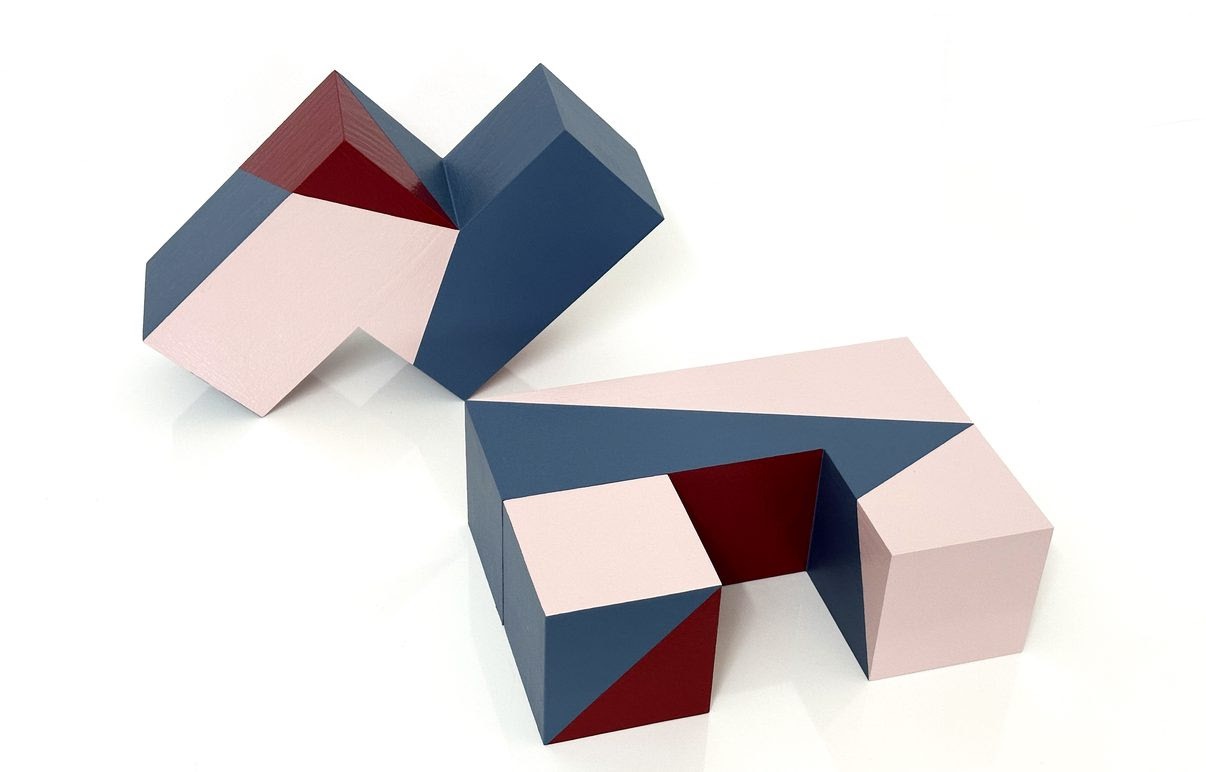
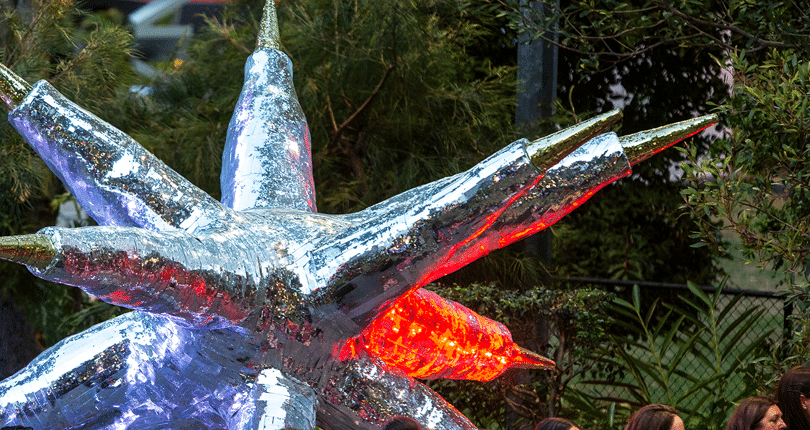
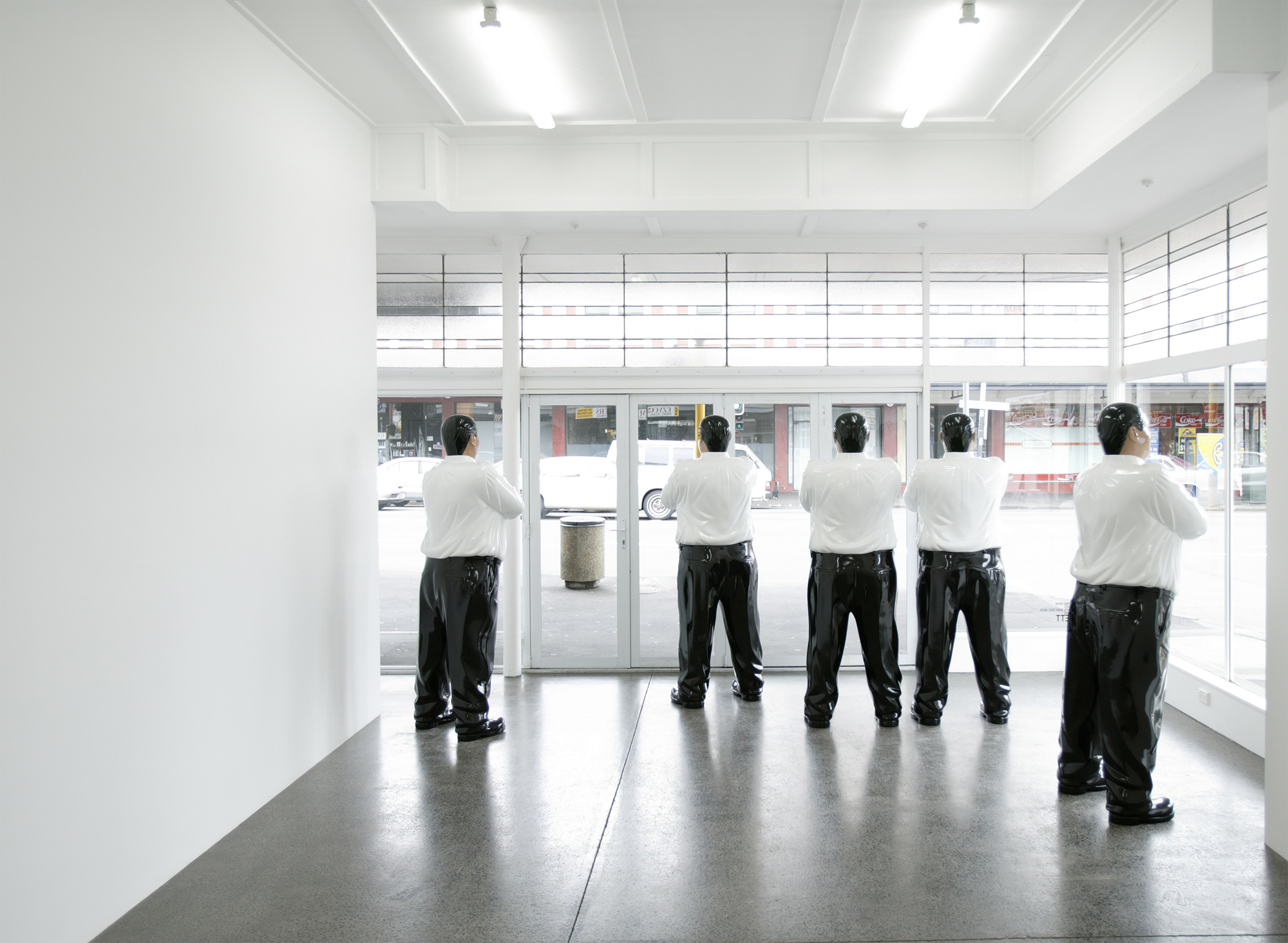
Image: Michael Parekōwhai ‘Kapa Haka’ 2003. Courtesy of Michael Lett, Tāmaki Makaurau/Auckland.